Is the Family Entertainment Industry Recession-Resistant? Understanding Why Families Continue to Spend on Experiences
August 13, 2026
Economic slowdowns often make consumers rethink their spending habits. Large purchases are postponed, discretionary expenses are reviewed more carefully, and businesses across sectors prepare for softer demand.
Yet one category continues to show remarkable resilience: family entertainment.
According to Grand View Research, the global Family Entertainment Centres (FEC) market is projected to grow steadily over the coming years, driven by increasing demand for location-based entertainment and experiential leisure. The trend reflects a broader shift in consumer priorities: people are becoming more selective about spending, but they continue to invest in experiences that offer lasting value.
The Experience Economy Is Changing Consumer Behaviour
Owning more is no longer the only measure of value. Increasingly, consumers are choosing to spend on activities that create participation, interaction and shared moments.
This shift has supported the growth of:
-
Family Entertainment Centres
-
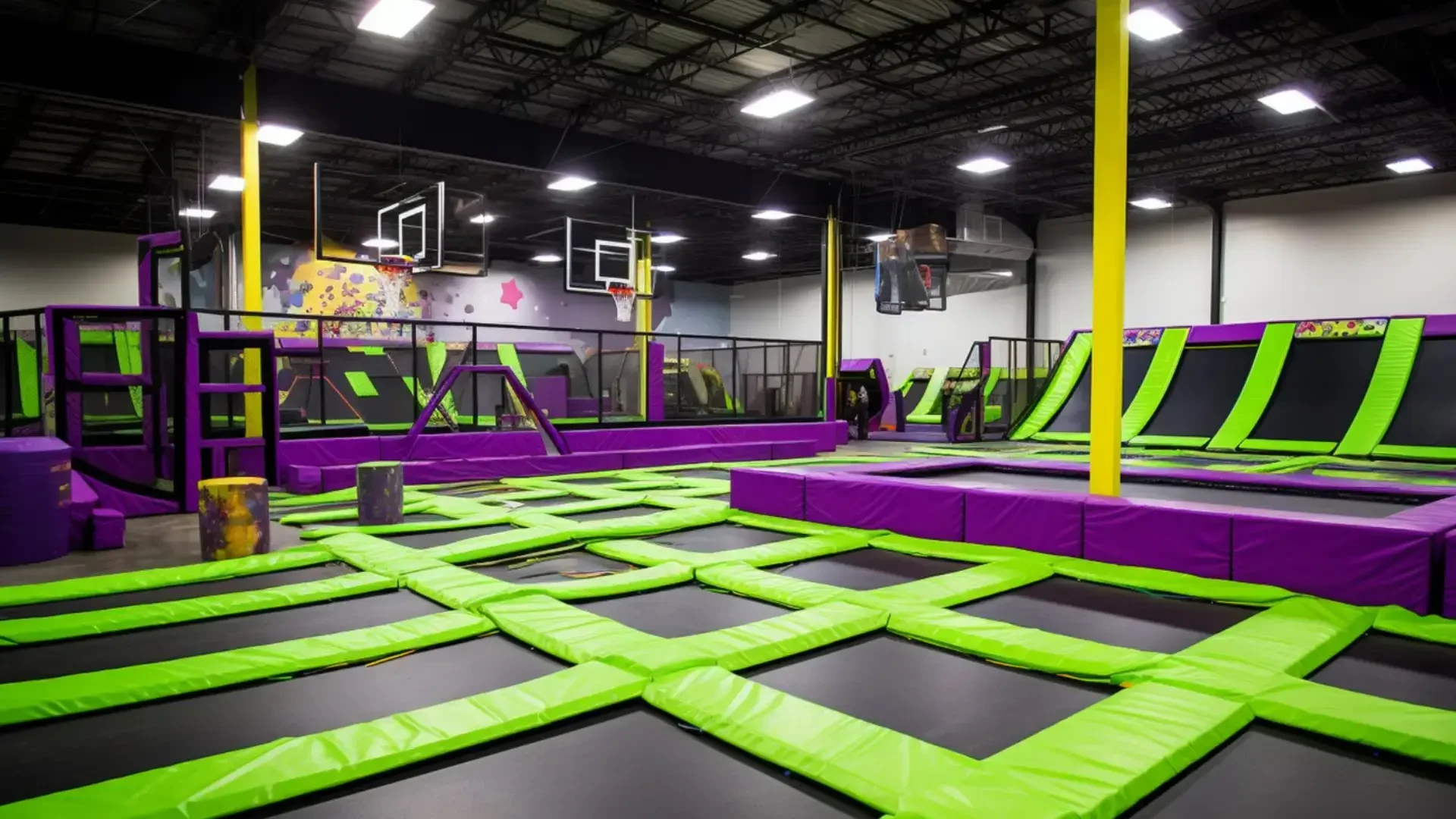
Indoor adventure parks
-
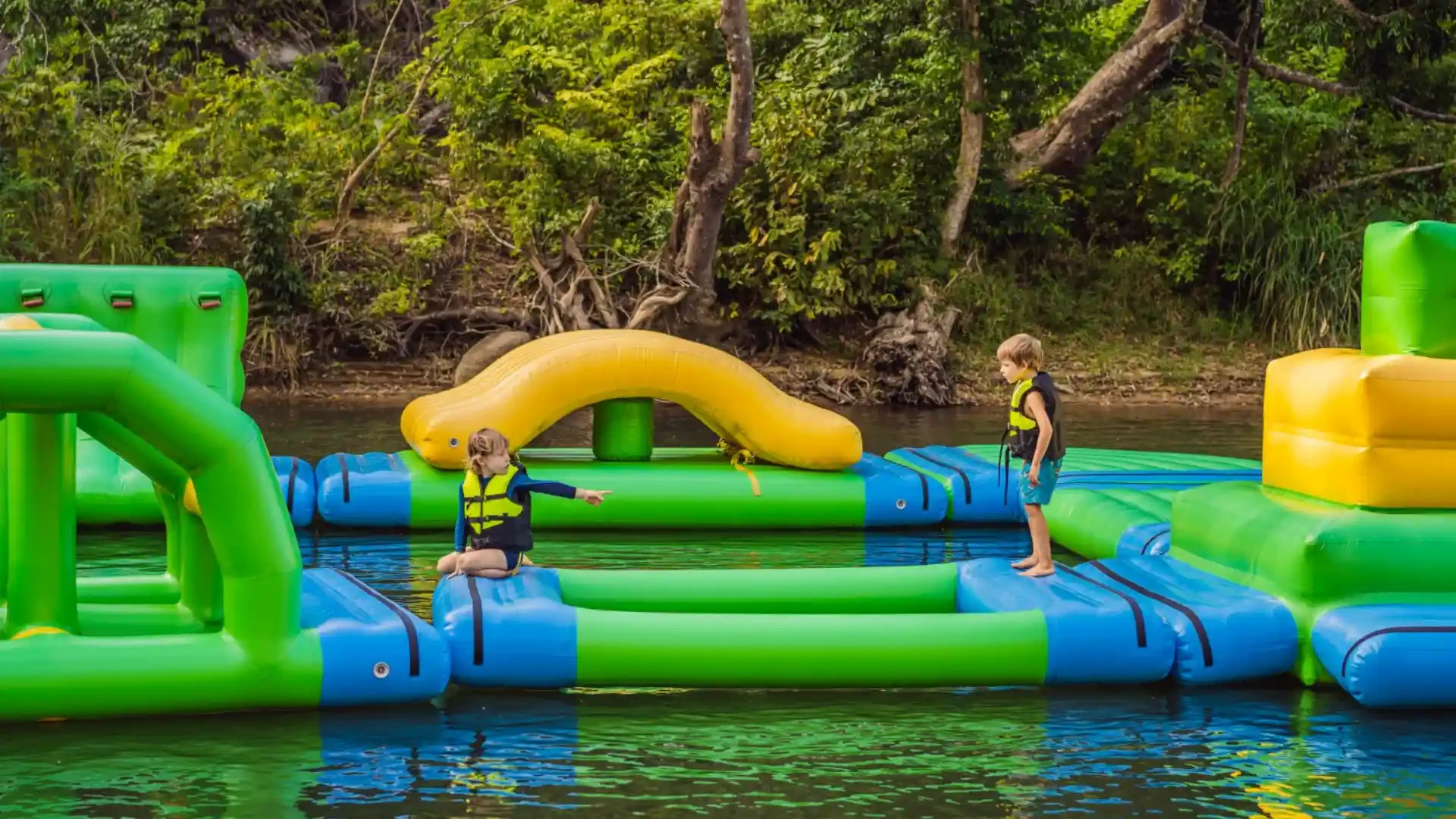
Water parks
-
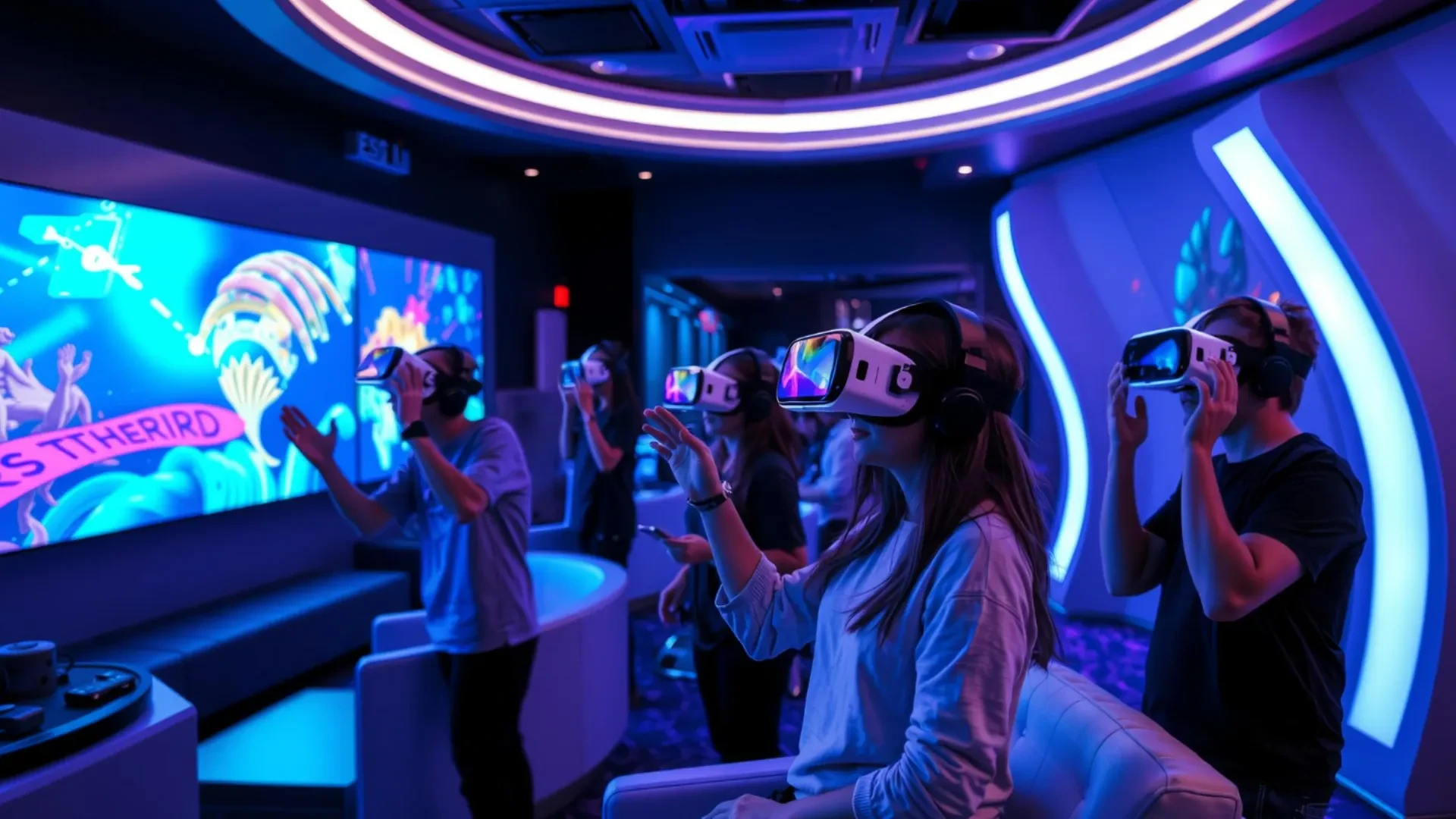
Interactive gaming destinations
-
Experiential retail spaces
Unlike traditional retail, these destinations offer something digital platforms cannot replicate, a physical, shared experience.
For developers and entertainment businesses, this represents a long-term shift rather than a short-term trend.
Why Family Entertainment Continues to Perform
Family entertainment remains resilient because it fits naturally into modern lifestyles.
Rather than relying on one-off visits, entertainment centres cater to multiple occasions throughout the year, including:
-
Weekend outings
-
Birthday celebrations
-
School holidays
-
Group visits
-
Corporate events
Indoor destinations also operate independent of weather conditions, allowing operators to attract visitors consistently across seasons.
Another advantage is flexibility. A well-planned entertainment centre appeals to different age groups within a single visit, making it a practical leisure option for families instead of serving only one type of customer.
Resilience Depends on More Than Visitor Numbers
A growing market alone does not guarantee commercial success.
The strongest entertainment destinations are designed around operational efficiency as much as visitor experience. Factors such as attraction planning, visitor movement, space utilisation and revenue opportunities all influence long-term performance.
Successful projects often generate income through multiple channels, including:
-
Entry tickets
-
Birthday packages
-
School programmes
-
Food and beverage
-
Corporate bookings
-
Memberships and seasonal events
This diversified approach helps reduce dependence on a single revenue source while improving the overall commercial viability of the destination.
What Investors Should Consider
As demand for organised leisure continues to grow, developers and investors have significant opportunities within the family entertainment sector. However, successful projects begin long before the first attraction is installed.
Before investing, it is important to evaluate:
-
Local demographics and catchment area
-
Existing competition
-
The right mix of attractions
-
Operational efficiency
-
Scope for future expansion
The resilience of the family entertainment industry is not simply a result of changing consumer preferences. It is driven by thoughtful planning, diversified business models and a growing demand for destinations that bring people together. For businesses entering this sector, understanding these factors is just as important as choosing the right attractions.