Entertainment Centres Are Basically Real Life Video Games Now
March 23, 2026
The entertainment industry has always evolved alongside consumer behaviour. Today, one of the strongest influences on entertainment centre design is not coming from traditional theme parks or attractions. It is coming from gaming.
This shift is particularly relevant in our country, where gaming has become one of the most widely consumed forms of entertainment. According to Niko Partners' India Games Market Report 2025, India is home to more than 500 million gamers, making it one of the largest audiences in the world. As gaming becomes a bigger part of everyday life, behaviours such as competition, progression, teamwork, achievement, and participation are increasingly influencing what visitors expect from physical entertainment experiences.
As consultants, this is a shift we are seeing across projects of all sizes. Developers are no longer looking only for attractions that fill space or generate initial excitement. They are increasingly looking for experiences that can hold attention, encourage repeat participation, and create stronger engagement across different visitor groups.
In many ways, the qualities that make games successful are the same qualities that now make physical entertainment experiences successful.
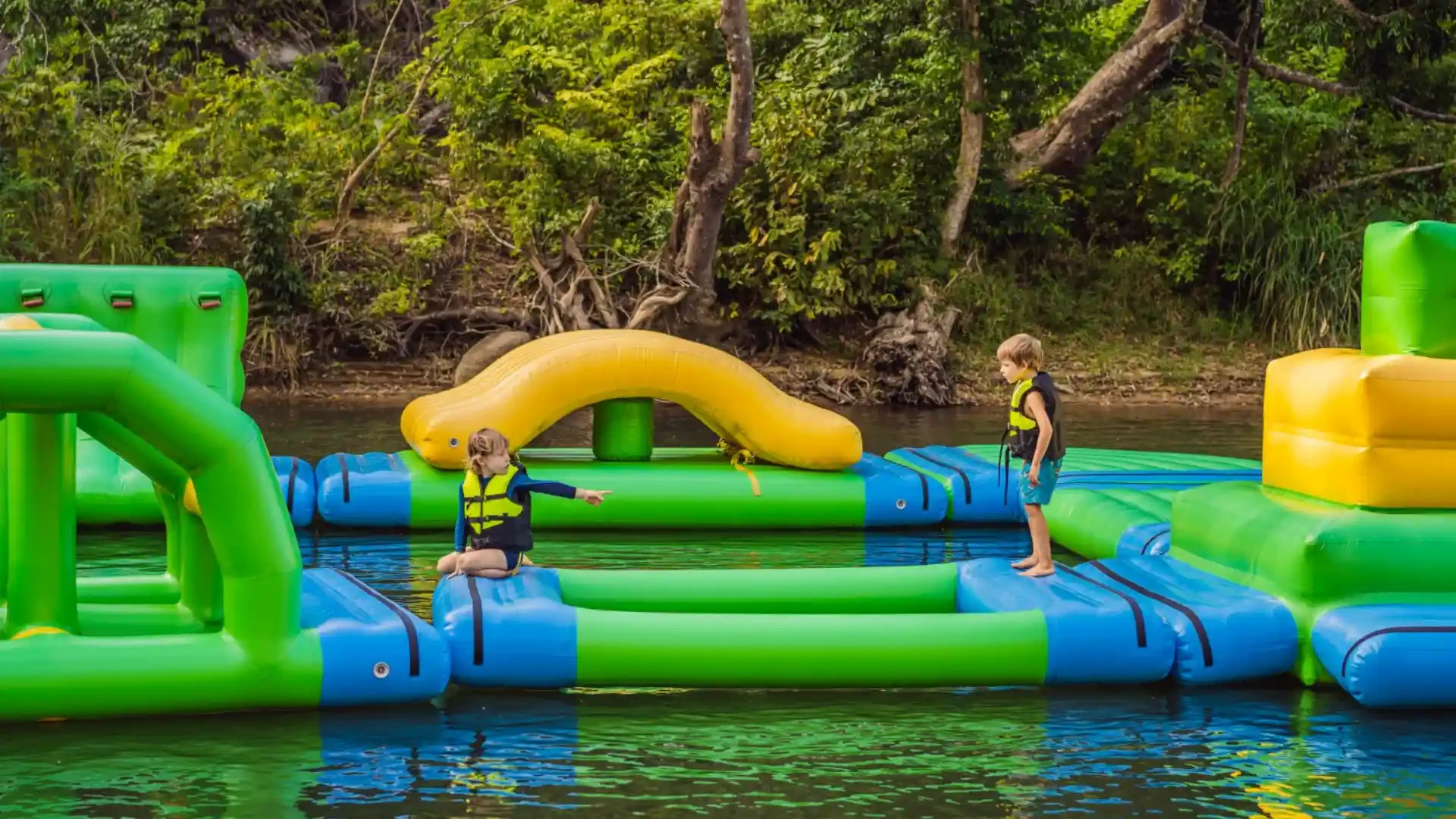
One of the biggest examples is progression. People are enjoying experiences where they can improve, compete, and challenge themselves. Whether it is completing a Ninja Rope Course, competing in Laser Tag, participating in Interactive Games, or taking on a challenge-based attraction, the experience becomes more rewarding when visitors feel a sense of achievement rather than simply completing an activity and moving on.
This is particularly important in our market. Family outings often involve larger groups with different expectations. Children may be looking for exploration and discovery, teenagers are often drawn towards competition and challenges, while parents are evaluating whether the overall experience delivers enough value for the time and money spent. The most successful entertainment destinations are those that create meaningful engagement for multiple audiences at the same time.
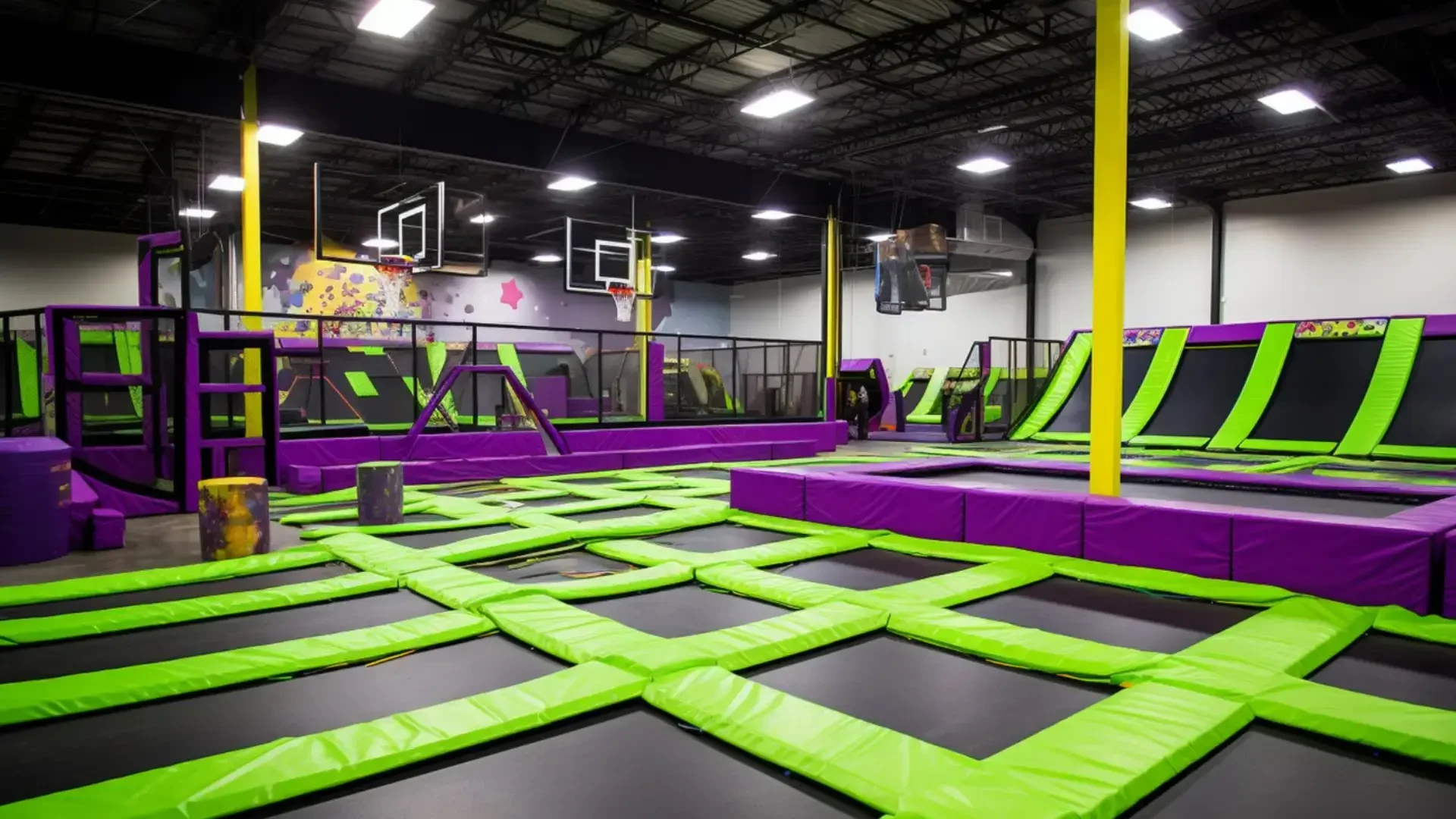
This is why attraction planning today extends far beyond selecting individual products. When evaluating a project, we look at how different attractions work together to create a complete visitor journey. A Trampoline Park may encourage active participation, a Ninja Rope Course introduces challenge and achievement, Interactive Games create opportunities for competition, while family-oriented attractions encourage group interaction. The objective is not simply to install attractions. It is to create an environment where visitors remain engaged throughout their visit.
Gaming has also changed expectations around choice. Successful games rarely offer only one way to participate. Players can choose different challenges, approaches, and levels of difficulty. Entertainment centres are increasingly applying the same thinking by offering multiple activity formats and participation styles within a single destination. This creates a more personalised experience while encouraging visitors to spend more time exploring different attractions.
Competition is another powerful influence. Anyone who has watched friends compete in Laser Tag or challenge each other on an obstacle course has seen how quickly participation turns into a contest. Scoreboards, timed challenges, team activities, and achievement-based experiences create stronger emotional involvement because visitors become active participants rather than spectators.
Perhaps the most important lesson entertainment centres have borrowed from gaming is that people want to influence the outcome of the experience. They do not simply want entertainment delivered to them. They want to be involved in creating it.
Over the years, we have found that the most successful entertainment destinations are not necessarily the ones with the biggest attractions. They are the ones that understand why people stay engaged in the first place. Challenge, achievement, progression, competition, and participation are no longer concepts limited to screens. They are shaping how modern entertainment spaces are designed and experienced.
In many ways, today's entertainment centres are not competing with video games. They are learning from them.